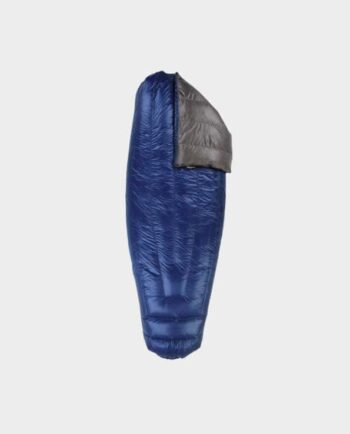
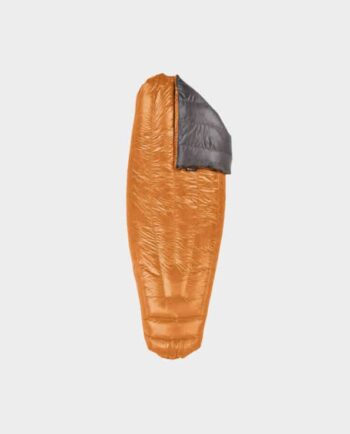
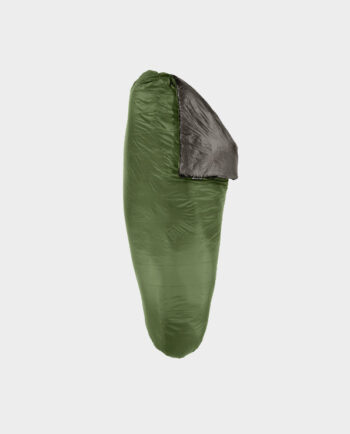
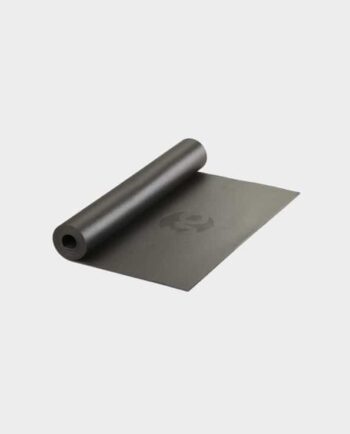
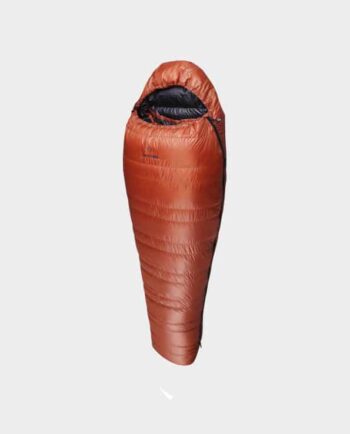
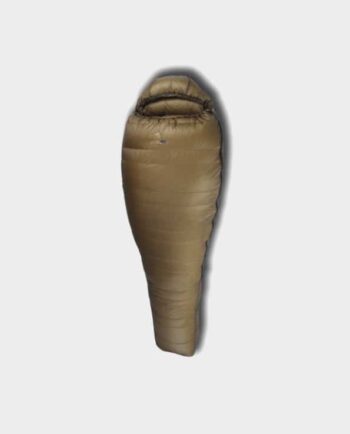
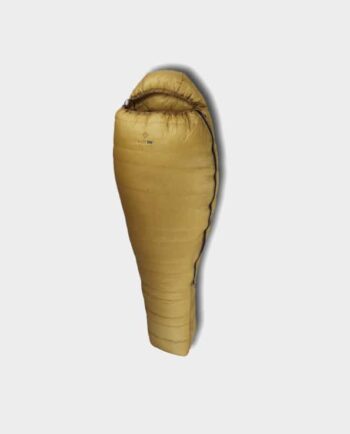
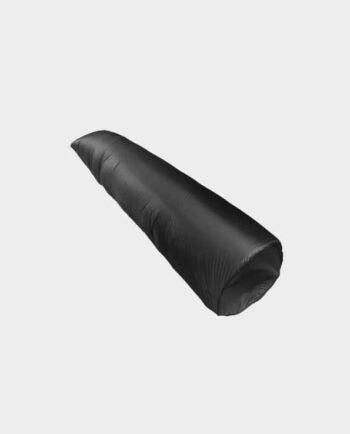
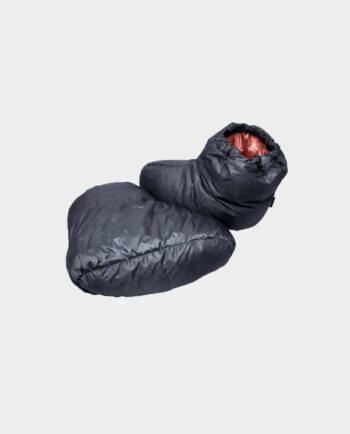
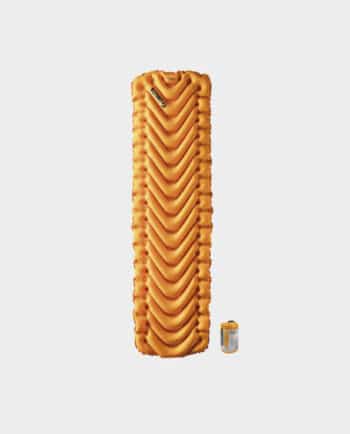
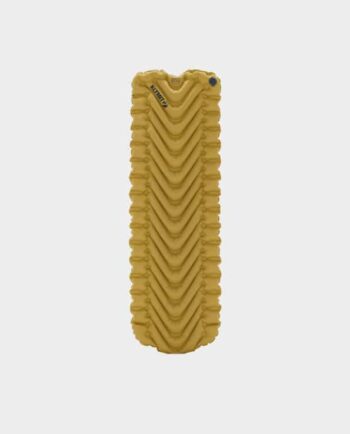
Summer · Mild nightsFor nights above +10 °C.3 seasons · Regular useFor temperatures between 0 and +10 °C.Cold · More warmthFor temperatures close to or below 0 °C.
R-Value tells you how well a sleeping pad insulates you from cold ground. In an ultralight sleep setup, it’s often the difference between sleeping warm or losing heat even with a good bag.
Quick guide by use
R 1–2: summer and mild nights.
R 2–3: 3-season, all-around use.
R 4–5: real cold and mountain conditions (spring/fall).
>5: winter, snow, or frozen ground.
Fast decision: if you’re between two pads, pick the higher R-Value if you sleep cold or expect chilly ground. Values are additive (you can stack pads). If it’s tested under ASTM, comparisons are more reliable. Learn more: share your minimum temp, area/altitude, and whether you sleep cold.
In the Sleep category, the key difference is insulation: a sleeping bag wraps insulation all around you, while a quilt removes the bottom insulation (which gets compressed) and relies more on your sleeping pad for warmth from the ground.
Quick way to decide
Choose a quilt if… you want the best weight/packed size and easy ventilation; make sure your pad R-value matches your target temperatures and that the quilt has solid draft control (straps/clips).
Choose a sleeping bag if… you prefer a more “sealed” setup with less draft management, or you toss and turn and want a simpler fit.
Summary: lightweight + modular → quilt; simple + sealed → sleeping bag. Learn more: compare by temperature rating, pad insulation, and whether you sleep in a bivy/shelter.
Quick rule: if you want the best warmth-to-weight and smallest pack size, down usually wins. If you expect frequent damp conditions or limited drying time, synthetic is often the more worry-free choice.
How to choose for Sleep gear
Down: great for hiking/fastpacking and a compact pack; you’ll want to manage condensation (good ventilation, avoid wet tent walls, use a pack liner or dry bag).
Synthetic: better for wet multi-night trips (bikepacking, persistent rain, damp huts); it keeps performing more reliably when damp.
Longevity & care: down often lasts longer if kept dry; synthetic is more forgiving but typically loses loft sooner.
Learn more: tell us your destination/season and your shelter (tent/tarp) and we’ll help you pick.
A quilt’s temperature rating is a guideline and depends on the whole sleep system: your pad (R-value), how well the quilt seals around you, and how warm you sleep. Because there’s no insulation under your body, the sleeping pad matters more than with a sleeping bag.
Quick buying rule
Start with your expected low and pick a quilt rated about ~5°C colder for a practical safety buffer.
Adjust for your pad: a lower R-value or colder sleepers usually need more buffer or a warmer pad.
Factor in real conditions: wind, humidity, and drafts can shift comfort noticeably.
Learn more
If you’re between two options, adding insulation (or upgrading the pad) is typically safer than pushing the rating.
Pick your quilt’s temperature rating based on the real minimum you expect at night and your full sleep system (pad, clothing, shelter). Ratings can differ by brand (comfort vs limit), so treat them as a guideline and build in a buffer.
Quick decision guide
0 °C: mild 3-season use, usually above ~2–4 °C; best if you prioritize minimum weight/packed size.
−6 °C: the most versatile mountain choice; a solid balance if an occasional cold night is possible.
−12 °C: steadier cold, higher mountains, or cold sleepers; more security with extra bulk/weight.
If you’re unsure: go a bit warmer—especially if your pad insulation is borderline or conditions may be damp/windy.
In a quilt sleep system, the sleeping pad does most of the work: since there’s no insulation underneath, ground cold will drain heat by conduction if the pad’s R-value is too low.
Quick guide by conditions
R 2–3: summer and mild nights. In colder conditions, your quilt will feel “less warm” even if it’s rated appropriately.
R 3.5–4.5: 3-season use. A solid minimum if your quilt is around 0 °C to -6 °C.
R ≥ 5: real cold, alpine use, or winter. A safer bet if you expect below -6 °C.
Buying tip
Build the system as a whole: quilt + pad + shelter. If you’re unsure, upgrading pad R-value often helps more than choosing a warmer quilt. Learn more: browse pads by R-value.