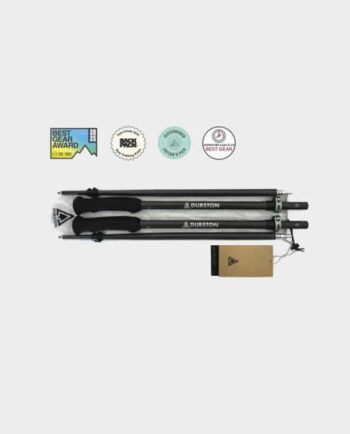
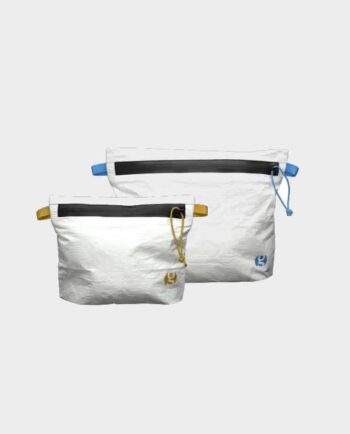
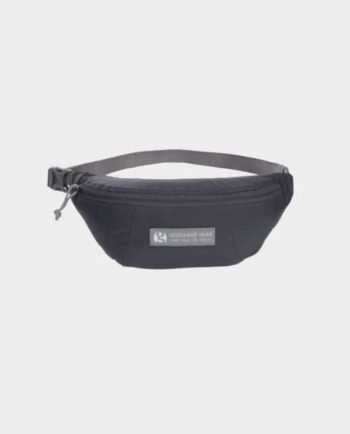
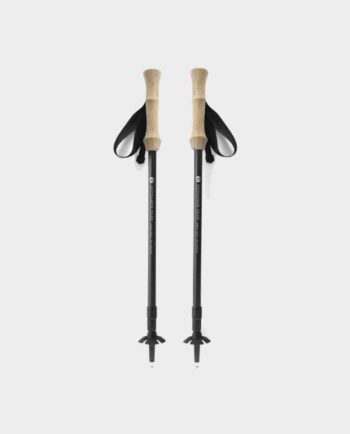
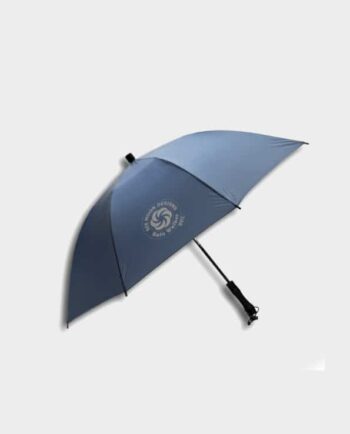
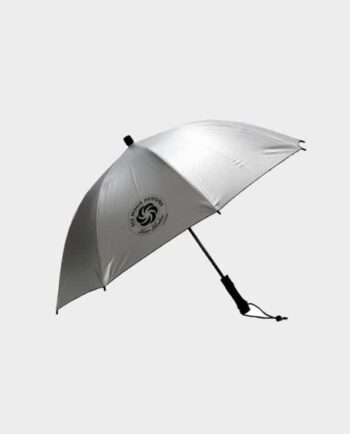
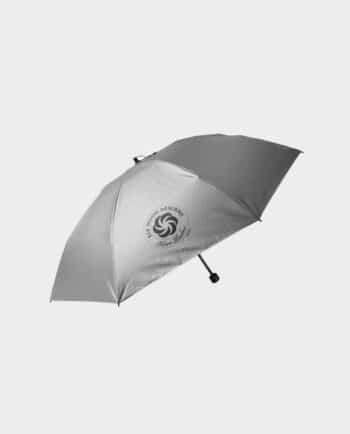
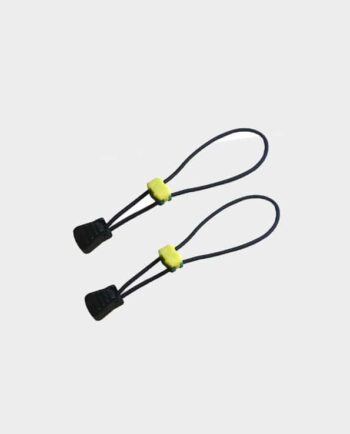
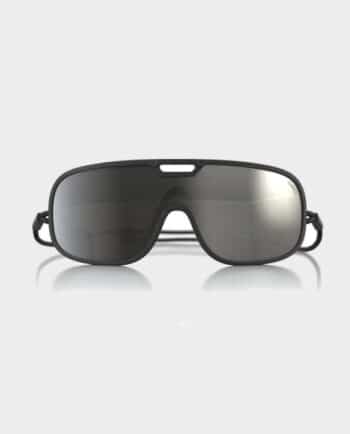
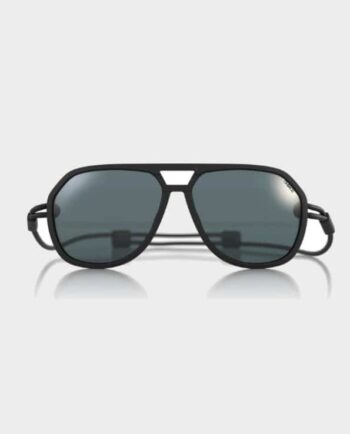
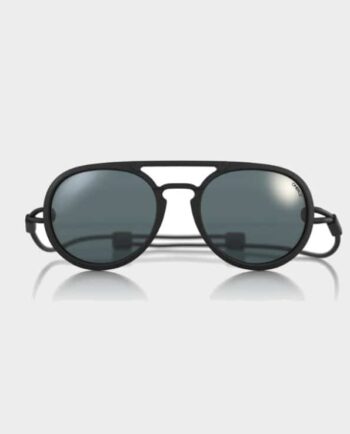
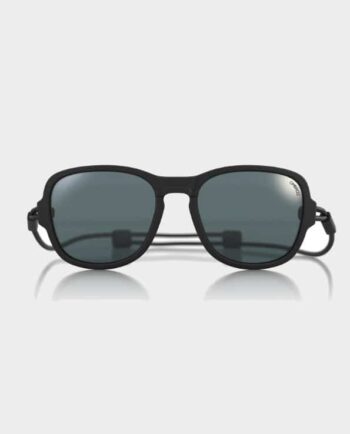
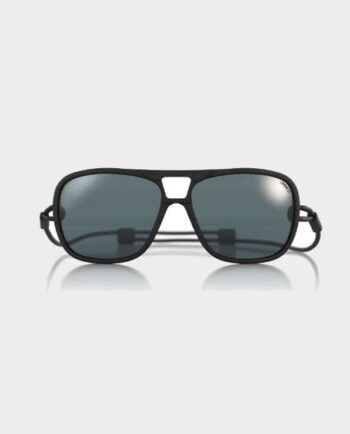
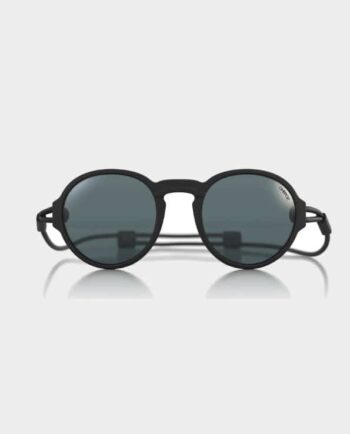
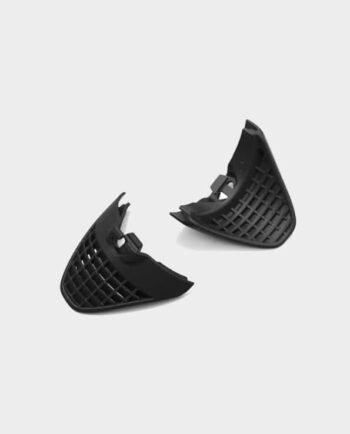
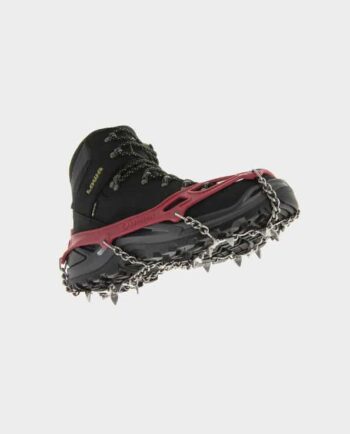
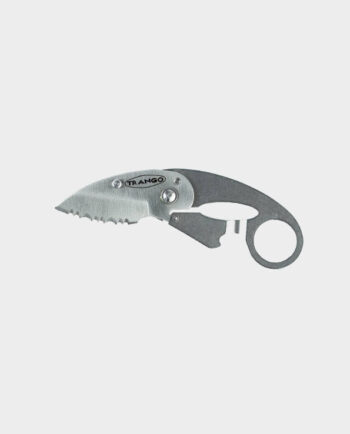
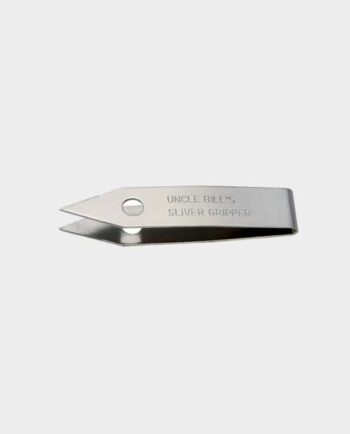
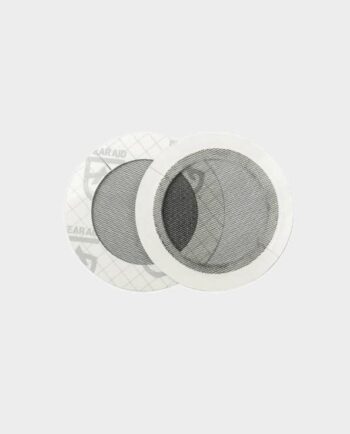
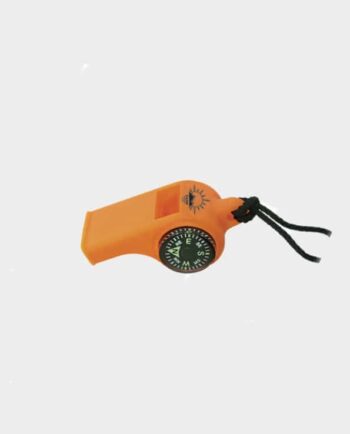
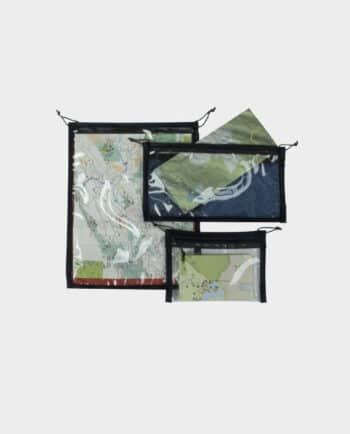
Organize · More orderTo keep the gear compact and accessible.Reduce weight · LighterAccessories designed to optimize your gear to the fullest.Practical use · Details that add upSmall improvements that make the trail more comfortable.
To go light hiking or bikepacking without compromising safety, the goal isn’t “bare minimum”—it’s removing redundancy while keeping what covers high-consequence failures.
Quick rule for accessories
Risk beats comfort: cold, water, injury, and night come first.
Think in scenarios: pick items that solve multiple “what ifs” (e.g., a headlamp, mini first-aid kit, water treatment, basic repair kit).
Cut duplicates: if two items do the same job, keep the more reliable or versatile one.
Use your own track record: if you never used it on similar trips, it’s usually dead weight (unless weather, duration, or remoteness changes).
If you’re unsure, trim “nice-to-have” organizers and unlikely spares before cutting water, light, or insulation. Learn more: ask us for a checklist by season/terrain.
To stay ultralight without cutting essentials, judge each accessory by its real function and how often you’ll use it. If it doesn’t improve safety or keep your system running, it’s usually not worth carrying.
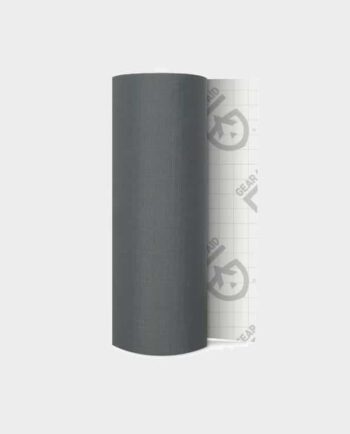
Repair: a small kit to keep moving (patches/adhesive/tape/needle & thread, depending on your setup).
Comfort: only if you’ll use it daily or it clearly saves time/energy.
Quick rule: if it’s not safety/protection/repair and you won’t use it nearly every day, it usually stays home. Learn more: tweak repair/protection depending on hiking vs bikepacking.
The main difference is usually weight, packed size, and design: ultralight accessories aim to save grams and space by removing non-essential parts. You’ll notice it in how your pack carries and how easy it is to keep your kit organized.
What to expect in real use
Less weight and bulk: they pack smaller and help keep your setup compact.
Minimalist build: fewer parts, adjustments, or add-ons that don’t add real function.
More task-focused: often designed for one clear job rather than “do-it-all”.
Trade-offs: if comfort, ruggedness, or versatility matter most, a regular accessory can be the better fit.
Often yes if you do longer trips or genuinely want to cut pack weight and bulk; if you go out occasionally or prioritize maximum toughness, it may not be worth the extra cost.
When you’ll notice it most
Long or multi-day trips: less cumulative weight and a more compact pack.
Bikepacking and trail: better comfort and handling when you’re lighter.
After big items are optimized: once pack/shelter/sleep are dialed in, accessories start to make a real difference.
Occasional use: consider whether saving money matters more than saving grams.