Integrated systems stand out for their speed and ease of use, as they combine a stove, pot, and heat exchanger into one unit. They work very well for boiling water quickly, even in moderate wind.
However, from an ultralight perspective, they have several limitations:
Higher overall weight compared to an optimized modular system.
More volume in the backpack, as they are less flexible for fitting pieces together.
Less versatility, as they are designed almost exclusively for boiling water.
Dependence on specific system components.
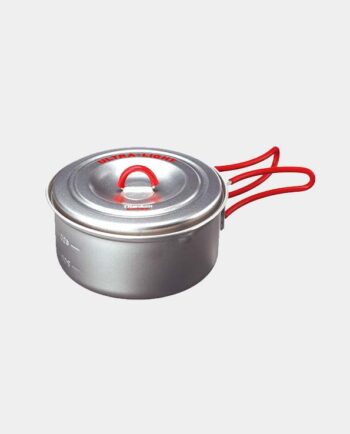
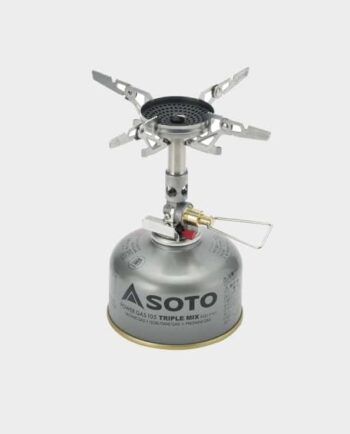
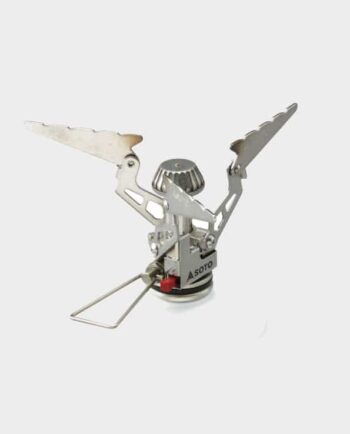
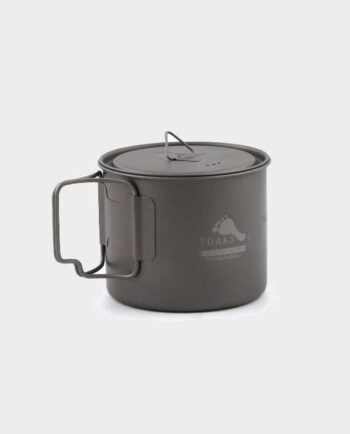
In UL philosophy, a modular system (stove + pot + windscreen) is usually preferred, as it allows for adjusting weight, volume, and functionality exactly to the type of route, number of people, and cooking style.
In summary: convenience and speed versus lightness and adaptability.
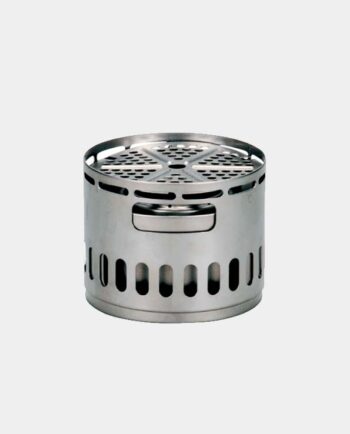
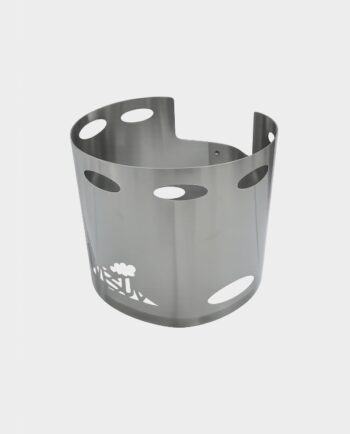
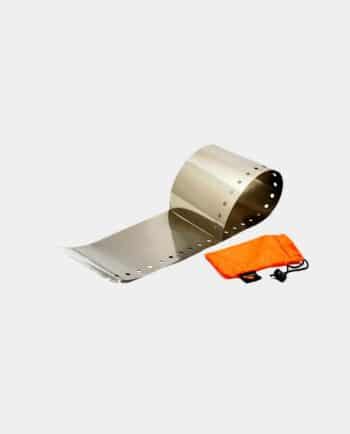
Yes. In ultralight systems, a windscreen is almost essential.
A windscreen:
Significantly reduces fuel consumption.
Speeds up boiling time.
Improves thermal stability in windy conditions.
Especially with titanium pots and small stoves, the wind heavily impacts efficiency. A lightweight windscreen offers more benefit than weight and allows you to carry less total fuel.
The right choice depends on conditions and how you cook. A practical rule of thumb:
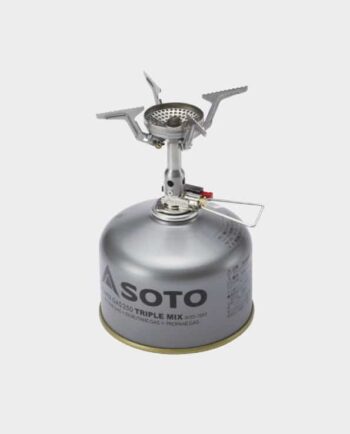
Choose gas if you want speed, better flame control (actual cooking, not just boiling), and more reliability in wind/cold or frequent use.
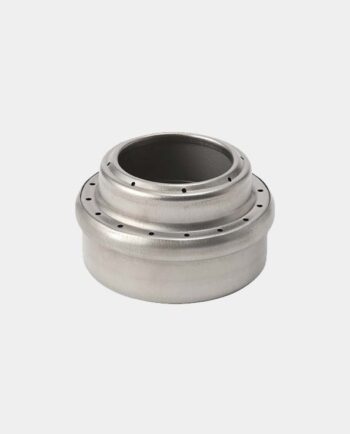
Choose alcohol if you value simplicity, silence, and a very minimalist setup mainly for boiling water in 3-season conditions and a relaxed pace.
Quick decision checklist:
Boil-and-eat meals (coffee, freeze-dried, noodles) → alcohol is often a great fit.
Real cooking or simmering → gas is usually easier.
Windy/variable weather → gas tends to be more forgiving; with alcohol, a windscreen is close to mandatory.
Travel/bikepacking: check fuel availability at your destination (gas canisters vs alcohol) before committing.
Solo vs group: for multiple people and repeated boils, gas often simplifies things; for solo minimalism, alcohol can be enough.
Tips to avoid common issues: with alcohol, use a proper windscreen and keep the stove off cold ground; with gas, make sure the pot/stove combo is stable and only use a windscreen if the manufacturer allows it.
If you tell us the season, expected temperatures/altitude, whether you’ll boil or cook, and group size, we can point you to the lightest setup that truly matches your use.