Integrated systems stand out for their speed and ease of use, as they combine a stove, pot, and heat exchanger into one unit. They work very well for boiling water quickly, even in moderate wind.
However, from an ultralight perspective, they have several limitations:
Higher overall weight compared to an optimized modular system.
More volume in the backpack, as they are less flexible for fitting pieces together.
Less versatility, as they are designed almost exclusively for boiling water.
Dependence on specific system components.
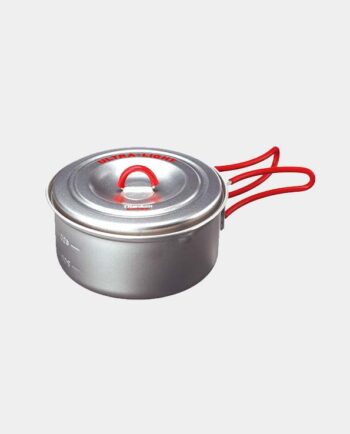
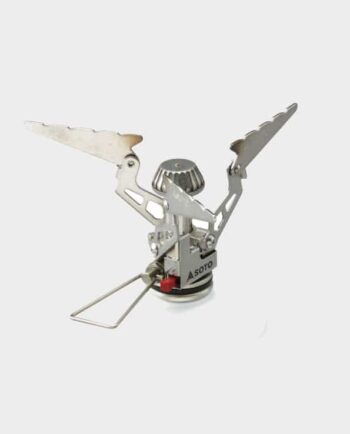
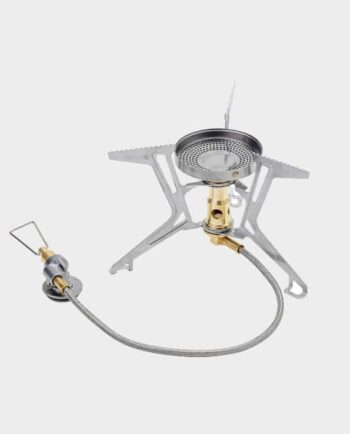
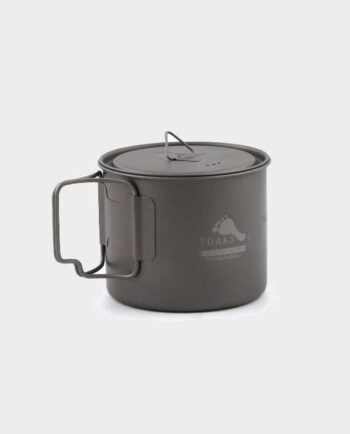
In UL philosophy, a modular system (stove + pot + windscreen) is usually preferred, as it allows for adjusting weight, volume, and functionality exactly to the type of route, number of people, and cooking style.
In summary: convenience and speed versus lightness and adaptability.
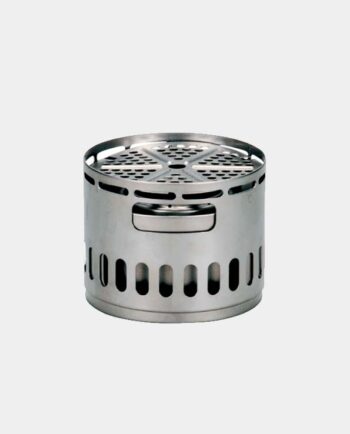
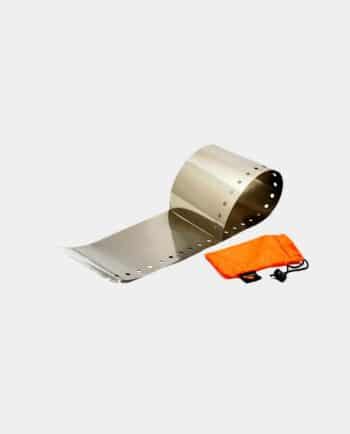
Yes. In ultralight systems, a windscreen is almost essential.
A windscreen:
Significantly reduces fuel consumption.
Speeds up boiling time.
Improves thermal stability in windy conditions.
Especially with titanium pots and small stoves, the wind heavily impacts efficiency. A lightweight windscreen offers more benefit than weight and allows you to carry less total fuel.
It depends on the type of route and your main priority.
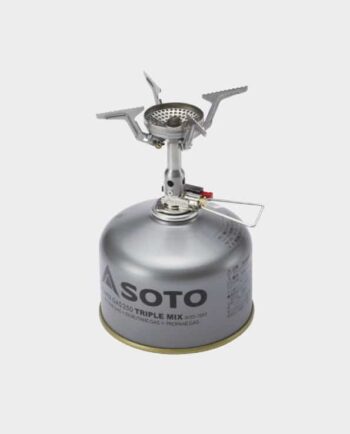
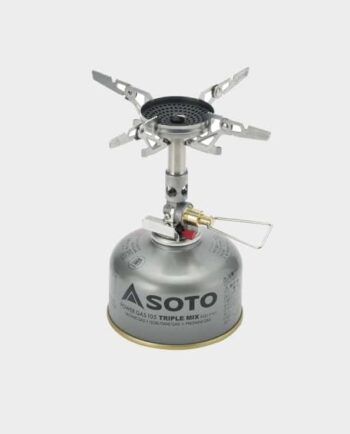
Gas: faster, better flame control, and more reliable in variable weather. Ideal for long routes or frequent use.
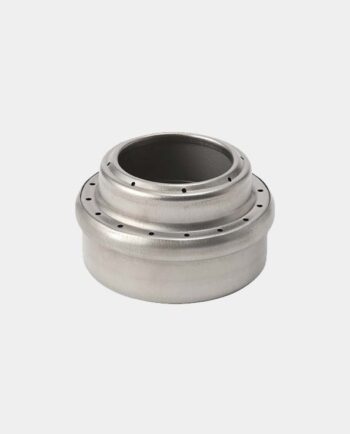
Alcohol: extremely simple, silent, and lightweight, but slower and sensitive to wind.
In ultralight hiking, the priority is the system that best fits actual use, not the most powerful. For minimalism and simplicity, alcohol; for versatility and changing conditions, gas.