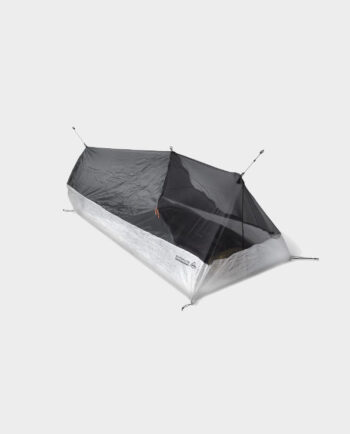
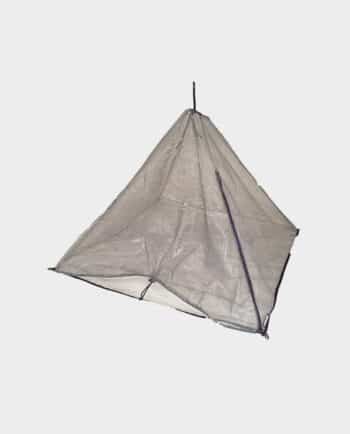
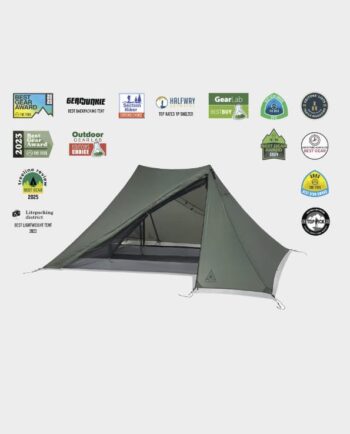
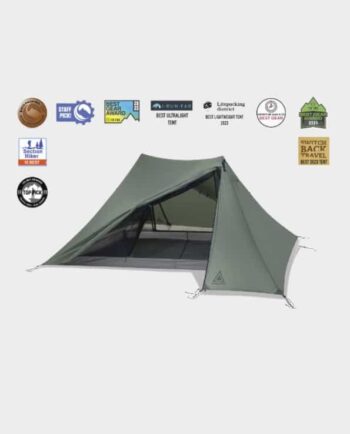
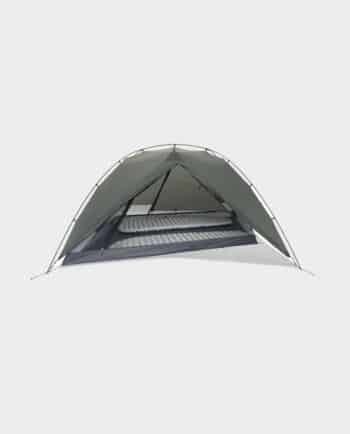
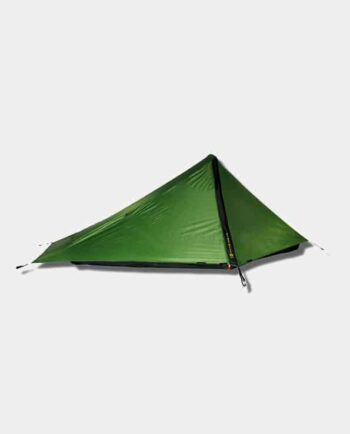
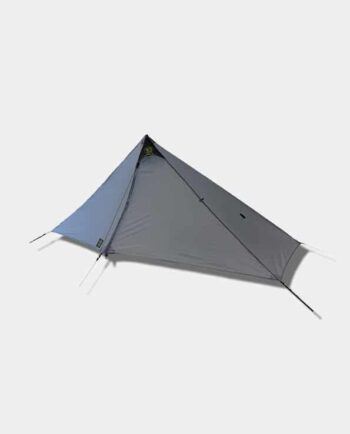
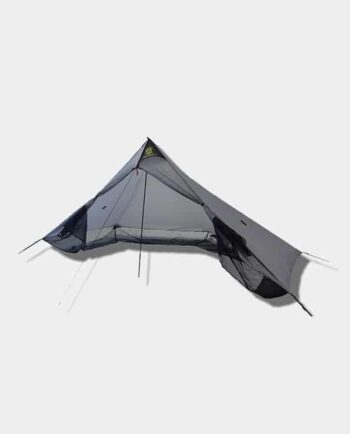
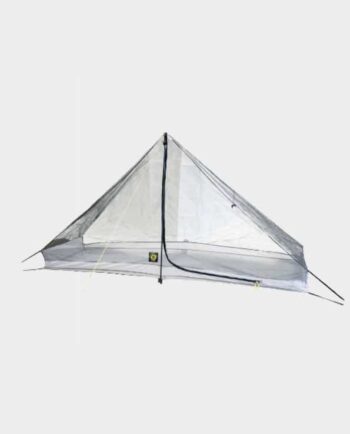
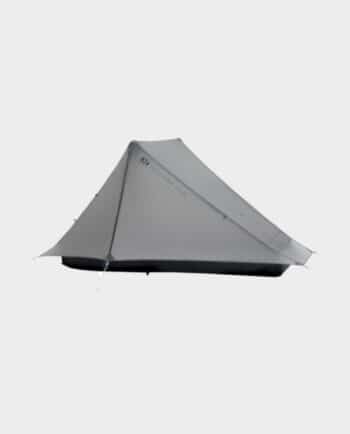
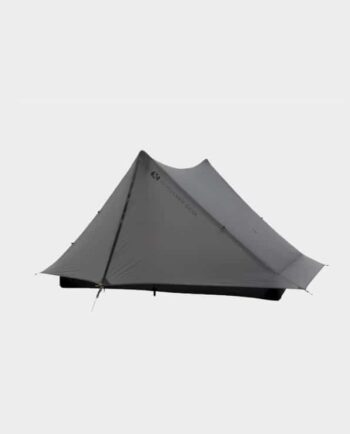
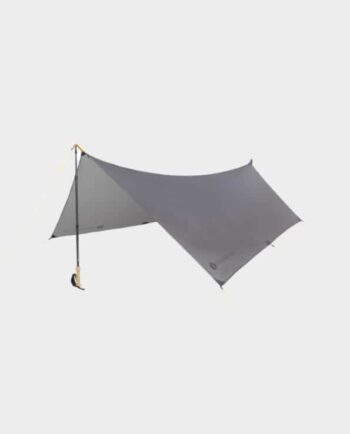
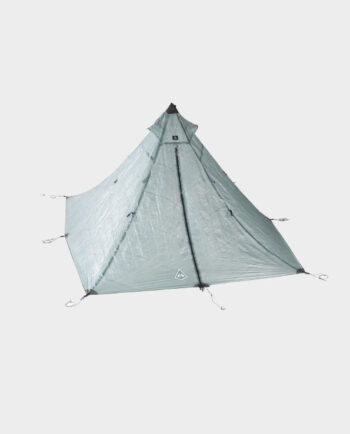
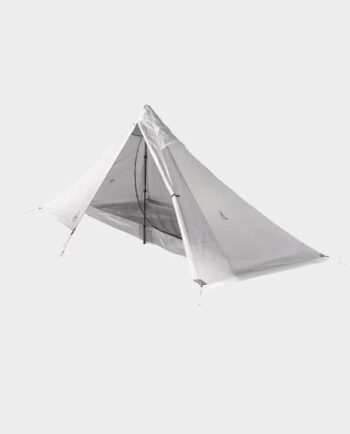
Tarp · Maximum lightnessBasic protection for stable weather and optimized gear.Closed shelter · More protectionBetter for wind, rain, or variable conditions.4 seasons · Demanding conditionsDesigned for cold weather, snow, or use in exposed environments.
A tarp is the most minimalist and ultralight option: it weighs less, takes up very little space, and offers excellent ventilation. In return, it requires a good choice of location and more experience to set up correctly, especially in windy, rainy, or cold conditions.
A tent provides a more enclosed and stable shelter, with greater protection against rain, wind, and insects. Its setup is usually easier and more predictable, although it involves an increase in weight compared to a tarp.
The choice depends on your level of experience, the expected conditions, and the balance you seek between lightness and protection.
If you want the lightest possible weight: tarp. If you want simplicity and protection: tent.
For one person, a total weight between 500 and 800 grams usually offers a good balance between lightness, protection, and comfort. Within that range, you can find shelters with sufficient wind and rain resistance, adequate living space, and durable materials.
Below that weight, habitability or robustness is often sacrificed, while above it, you gain comfort or ease of use at the cost of carrying more weight. The final choice depends on the type of route, duration, and level of exposure to weather conditions.
Most ultralight shelters are designed to be set up with trekking poles, utilizing an item that many hikers already carry, thus reducing the total weight of the gear. The poles provide the necessary height and rigidity to keep the structure stable.
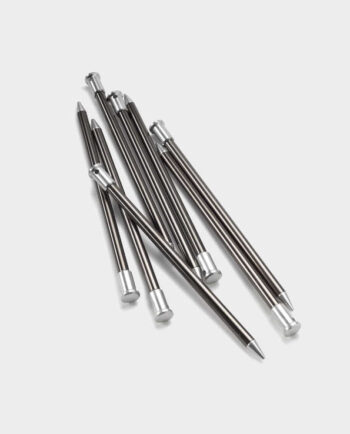
If you don't use poles, there are specific lightweight poles (usually made of aluminum or carbon fiber) that replace the trekking poles and allow you to set up the shelter properly with minimal additional weight.
Practically speaking, the key difference lies in the weight-to-livable-space ratio. A 1P is usually optimized to fit just the sleeping pad (50–60 cm in width), leaving little room to move or store gear inside. In contrast, a 2P offers about 100–130 cm in width, allowing for more comfortable sleeping, space to bring your backpack inside, and room to change without rubbing against the walls, which is important with condensation.
For short or minimalist hikes, a 1P reduces total weight and volume in your backpack. For long treks, frequent bad weather, or if you want to sleep more comfortably (big person, bulky backpack, dog, etc.), a 2P often justifies the extra grams because it enhances rest and livability day after day.
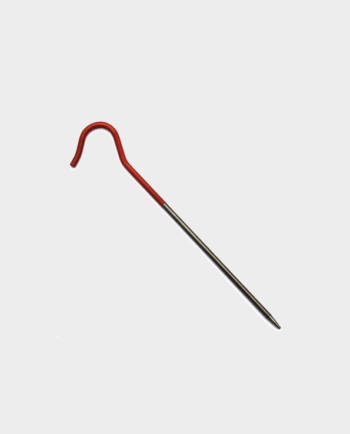
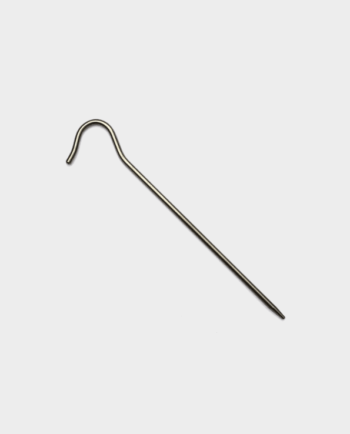
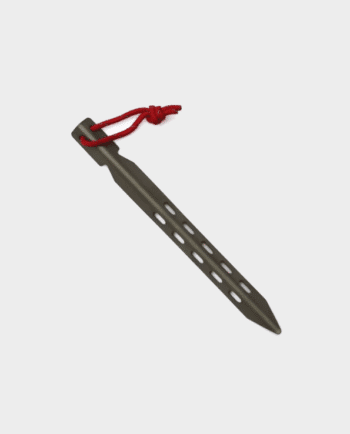
Yes, as long as they are used within their design range and set up correctly. The actual resistance to rain and wind depends not only on the material but also on factors such as structural design, the number and angle of stakes, the correct tension of the fabric, and the orientation relative to the prevailing wind.
Poor setup or a bad choice of site can compromise the performance of even very robust shelters, while careful setup significantly improves performance in adverse conditions.
Condensation is a common phenomenon in lightweight shelters due to the reduced material mass and the temperature and humidity difference between the inside and the outside. Factors such as ambient humidity, type of terrain, ventilation, and shelter design directly influence its occurrence.
Shelters with good passive ventilation, dual entryways, or separated inner walls reduce condensation buildup, but do not eliminate it completely. Proper ventilation and appropriate setup are key to minimizing it.
Ultralight shelters are especially suitable for long, self-sufficient routes, where reducing weight improves efficiency and reduces fatigue. They are common in fastpacking, thru-hiking, and treks where they are set up and taken down daily.
In routes with prolonged exposure to strong winds, extreme cold, or winter use, it is advisable to consider models with greater structural margin, more anchor points, or specific materials for severe conditions.