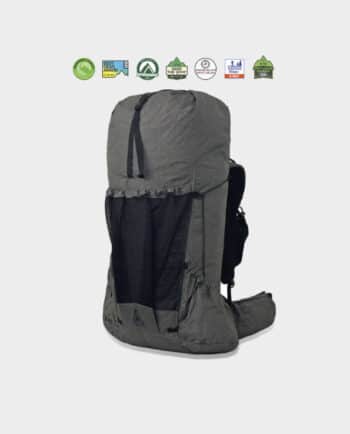
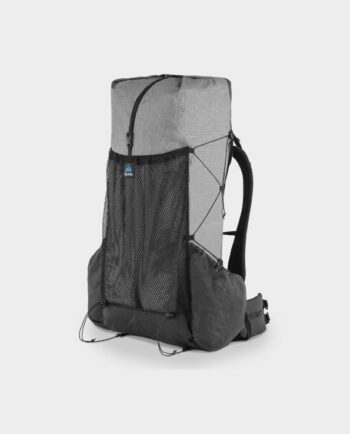
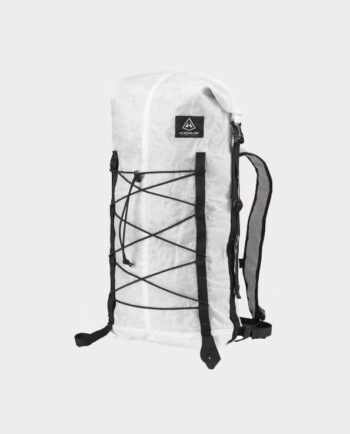
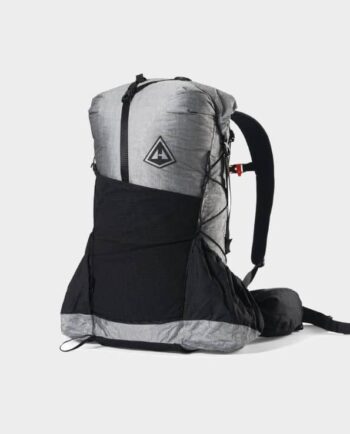
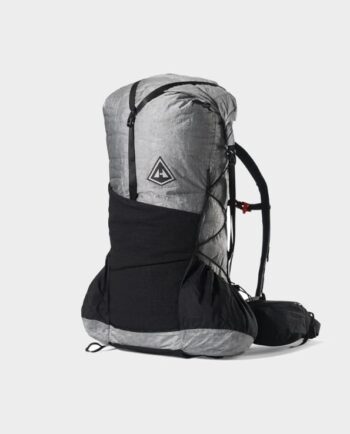
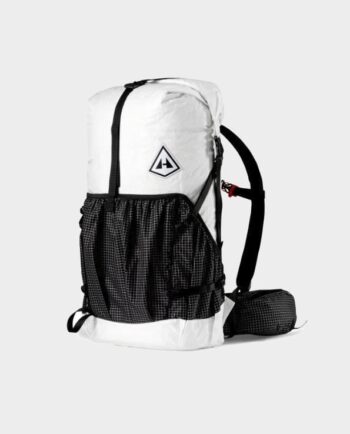
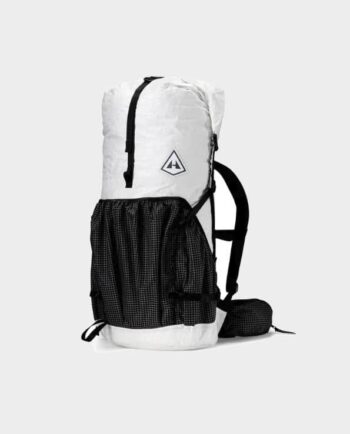
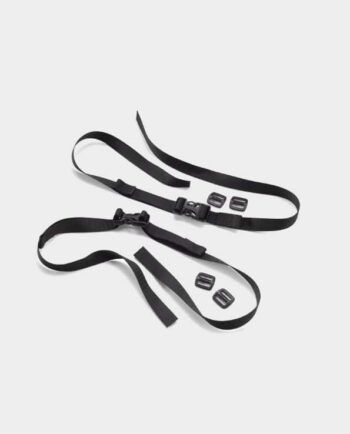
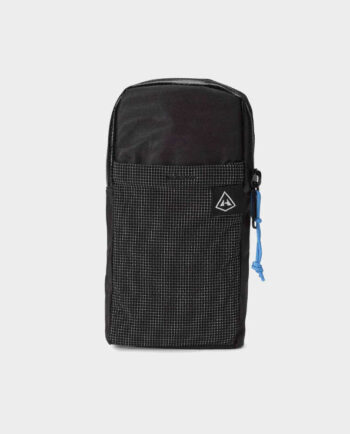
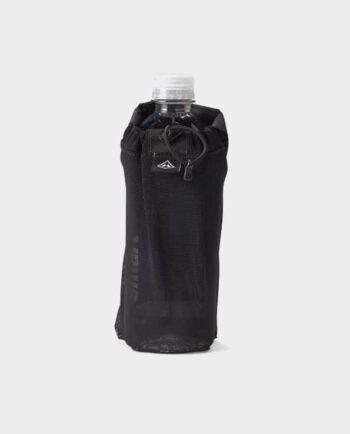
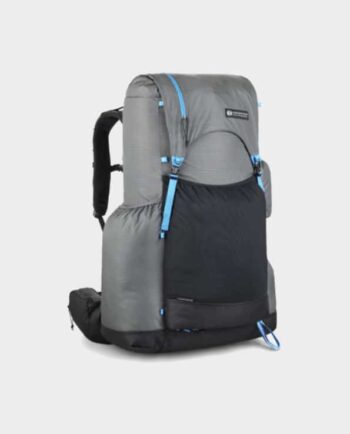
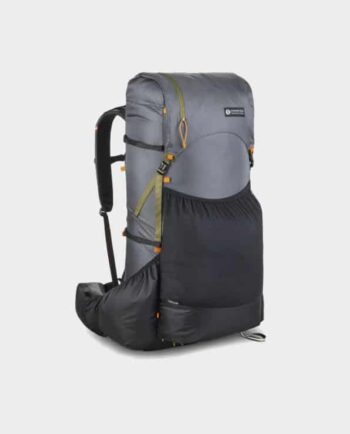
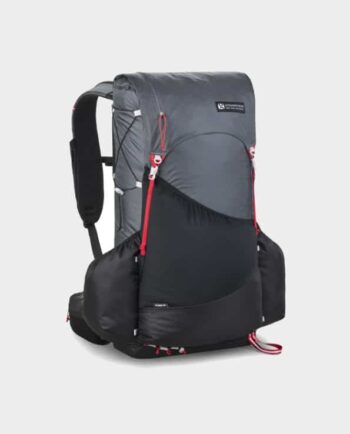
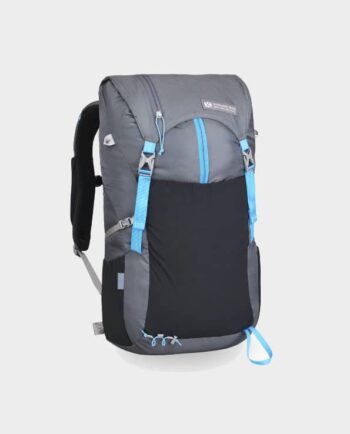
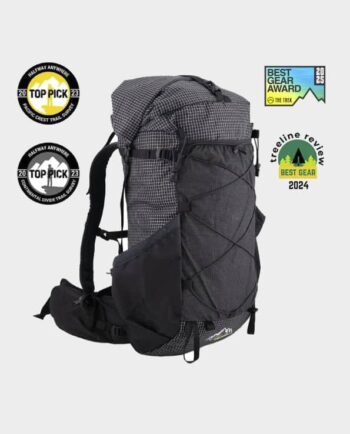
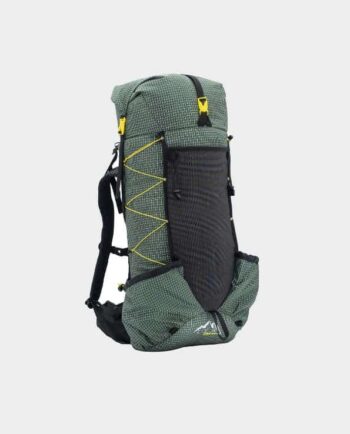
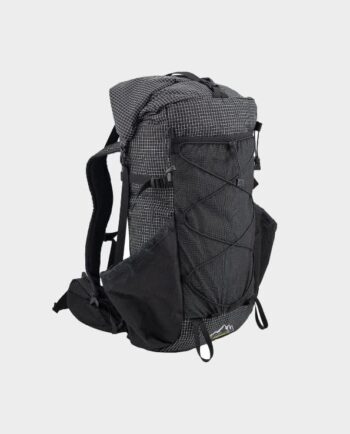
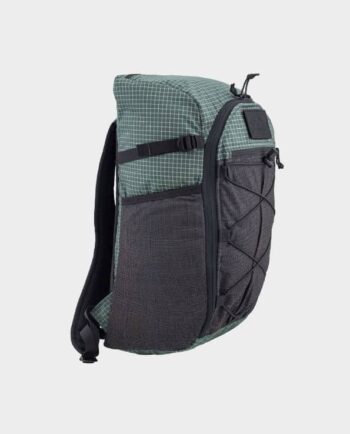
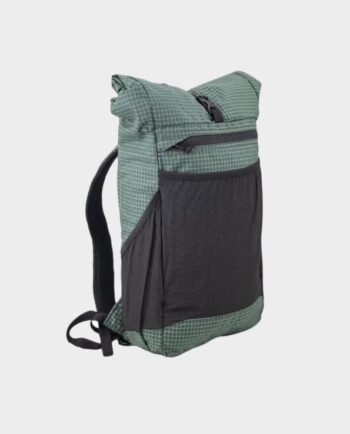
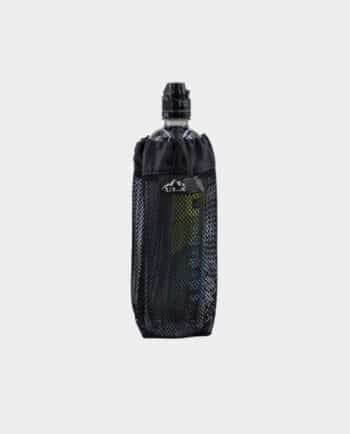
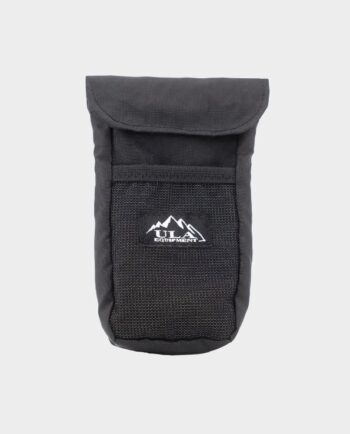
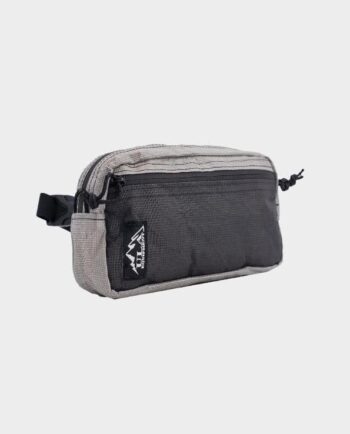
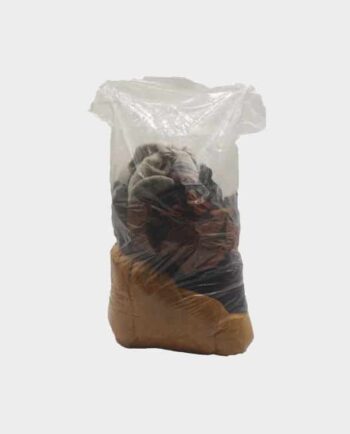
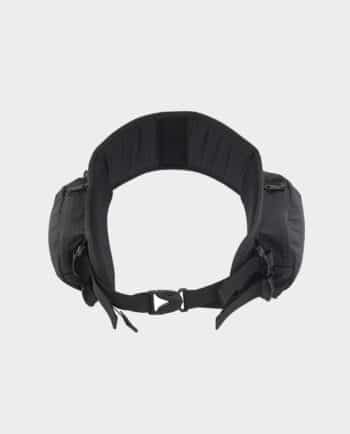
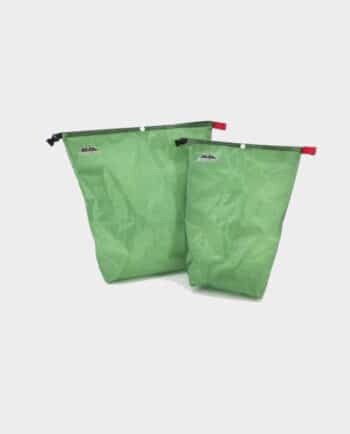
20–35L · Short tripsFor day hikes or very compact gear.35–50L · Lightweight trekkingFor several days with optimized gear.50L+ · More gearFor longer trips or more gear.Frameless · Maximum lightnessFor light loads and highly optimized gear.With a frame · More comfort under loadBetter if you're carrying more weight or on longer routes.
Backpack volume is mostly about your kit’s bulk, not just trip length. A quick check: put your “core gear” (sleep system, shelter, clothing, cook kit) into a box/bag, estimate liters, then add room for food and water.
Volume guidelines
30L: day trips or a very compact 3-season ultralight setup.
40–45L: the common sweet spot for multi-day hikes with lightweight, well-packed gear.
50–55L: more food/water or less packable gear; ideal if you don’t want to overstuff.
It mainly depends on your total carried weight (gear + food + water) and the pack’s support structure. With ultralight backpacks, staying within the intended load range is what keeps them stable and comfortable.
Quick load ranges by type
Frameless: roughly 7–9 kg.
Light frame: roughly 9–12 kg.
Full frame: roughly 12–15+ kg (model dependent).
Buying tip
If you often exceed ~10–12 kg, pick a framed option.
If you’re usually under ~8–9 kg, a frameless pack can work well.
It mainly depends on your total carried weight and whether you prioritize low weight or long-day comfort. In lightweight hiking backpacks, a frameless pack tends to work best with lighter, compact loads; a framed pack adds stability and transfers weight to your hips more effectively as the load increases.
Quick guide (approximate ranges)
Frameless: if you’re usually around 5–8 kg and your kit packs down well. Tip: use your sleeping pad folded or in a “U” shape to add stiffness, and pack to prevent the load from sagging.
Framed: if you’re closer to 9–15 kg or want more support for longer days. A well-fitting hipbelt makes a big difference.
These ranges vary by model and fit. Learn more: if you’re unsure, focus on your real carry weight and how it sits on your hips/back.
For backpacks (especially ultralight ones), an internal waterproof liner is usually the more reliable way to keep your gear dry. It protects the “must-stay-dry” items even if the pack fabric wets out.
Quick pick
Frequent rain or wind: liner + dry bags for your sleeping bag and spare clothes.
Occasional showers: a liner alone is often enough for critical gear.
Fast access/commuting: a rain cover helps against direct rain, but can shift in wind and won’t fully protect the back panel or bottom.
Even with a highly water-resistant pack, it’s smart to waterproof the contents that can’t get wet. Learn more: layering your packing (dry vs. daily-use).
With ultralight backpacks, stated liters are a reference, but what really matters is your actual packed volume (shelter, insulation, cook kit, and food). If everything is crammed in, the pack can feel less stable and less comfortable even if the weight is “within spec.”
A quick way to check
Gather your “base kit” plus a typical day of food.
Do a test pack into a known-volume bag/box (or trash bags sized by liters) to estimate total volume.
Keep 10–20% spare space for easy access, extra food, and weather layers.
Remember usable volume changes with pack shape, extension collar, and external pockets.
Learn more: if it’s tight, compacting your kit often helps more than simply adding liters.
Terrain should drive your choice: the more technical and steep it gets, the more you should prioritize stability and fit; on smoother trails, lower weight can matter more.
Quick rule for backpacks
Technical/rough terrain: a supportive hip belt plus solid shoulder/sternum adjustment, a back system that keeps the load close, and compression straps to prevent bounce (especially on descents).
Smooth trails/tracks: you can go simpler and lighter, as long as the pack doesn’t shift while walking.
If you’re between two models: pick the more stable one for heavier loads or lots of downhill; pick the lighter one for low base weight and steady pace.
Switching to an ultralight backpack makes sense once your kit is already compact and doesn’t require a lot of structure. For most hikers, the pack works best as a “later upgrade” after you’ve reduced overall weight and bulk.
It’s worth it if…
Your gear fits easily without cramming, and you don’t rely on rigid organization.
You carry moderate loads and want less fatigue on long days or multi-day trips.
You already know the volume (liters) you need and your torso fit.
Hold off if…
You’re still bringing bulky “just in case” items or heavier loads: a UL pack can feel uncomfortable.
Saber más: how to estimate base weight and choose volume/fit before buying.
For ultralight backpacks, the best outcome usually comes from choosing the right size upfront: fewer parts, less stiffness, and a more consistent fit. Still, an adjustable torso can be the right call depending on how you’ll use it and who will wear it.
Choose a fixed size if…
One person will use it and you can pick the correct size.
You want the simplest, lightest setup.
Choose an adjustable torso if…
You’ll share the pack, you’re between sizes, or you need extra fitting range.
You prioritize versatility across different loads/seasons.
What to check before buying
Measure your torso and confirm the brand’s size range.
Make sure the hip belt sits on your iliac crests and can be tightened without “floating”.